


Looking for the untold story of Diana Lasso, the Colombian-American singer who became known to millions as comedian Wayne Brady’s first wife but whose musical talent and personal journey deserve recognition beyond that brief marriage? Born March 4, 1975, in Colombia with deep family roots in Latin music traditions, Diana Lasso discovered her passion for singing during childhood influenced by her music-loving grandmother, launching her professional career in Colombia before moving to the United States where she met Wayne Brady in the early 1990s when he was still an unknown comedian struggling to break into entertainment. While their whirlwind New Year’s Eve 1993 wedding brought Diana into the public spotlight, their marriage lasted only two years before ending in September 1995 divorce that Wayne later attributed to marrying too young at ages 20 and 21 before truly knowing themselves, combined with his grueling work schedule and struggles with clinical depression that left Diana feeling neglected and unloved.
Diana Lasso represents far more than the footnote in a celebrity’s biography that media coverage often reduces her to—she is a talented vocalist who achieved significant success in Colombia with her signature Spanish-language song “Esta Noche No,” a romantic melody that showcased her ability to blend traditional Colombian rhythms with modern musical sensibilities, earning her devoted following in her home country. After her divorce, rather than seeking continued fame through her connection to Wayne Brady who went on to Emmy-winning success hosting “Whose Line Is It Anyway?” and “Let’s Make A Deal,” Diana deliberately chose privacy, returning to Colombia to focus on her music career, later settling into a quiet life likely in Miami where she pursues creative interests including photography, design, and advertising while maintaining minimal social media presence with fewer than 200 Twitter followers and private Instagram account, demonstrating her preference for authentic living over public validation or celebrity-adjacent fame.
| Personal Information | Details |
|---|---|
| Full Name | Diana Lasso |
| Birth Date | March 4, 1975 |
| Age | 49-50 years old (as of 2025) |
| Birth Place | Colombia (raised in Jackson Heights, New York) |
| Nationality | Colombian-American |
| Ethnicity | Colombian (Latin American) |
| Zodiac Sign | Pisces |
| Parents | Carlos A. Lasso (father), Inez Lasso (mother – lawyer) |
| Siblings | Elena Lasso, Julie Lasso (sisters) |
| Height | 5 feet 3 inches (160 cm) |
| Profession | Singer, musician, songwriter |
| Famous For | “Esta Noche No” song, Wayne Brady’s ex-wife |
| Ex-Spouse | Wayne Brady (married 1993-1995) |
| Children | None (contrary to some false reports) |
| Net Worth | Approximately $1 million (2025) |
| Current Location | Likely Miami, Florida (unconfirmed) |
Early Life and Musical Roots
Diana Lasso was born on March 4, 1975, though her exact birthplace remains somewhat unclear with sources indicating either Colombia or the United States with Colombian heritage. What is certain is that she grew up in Jackson Heights, New York, a vibrant, culturally diverse neighborhood in Queens known for its large Latin American immigrant population, particularly Colombians, which provided Diana with strong connection to her Colombian roots despite living in the United States.
Her parents Carlos A. Lasso and Inez Lasso, who worked as a lawyer in the South Bronx, raised Diana alongside her sisters Elena and Julie in a warm, close-knit family environment where music played a central role. Her grandmother’s deep passion for music proved particularly influential, exposing young Diana to Colombian folk songs, romantic ballads, and the rich musical traditions of Latin America that would later shape her artistic identity and vocal style.
Growing up in Jackson Heights during the 1980s meant Diana experienced a unique blend of American and Colombian cultures. The neighborhood’s authentically Colombian restaurants, shops, and community gatherings kept her connected to her heritage while attending American schools provided English fluency and bicultural perspective that would serve her well when pursuing music career in both countries.
| Childhood Aspect | Experience | Impact |
|---|---|---|
| Family Environment | Close-knit, music-loving household | Strong family bonds, artistic encouragement |
| Grandmother’s Influence | Passionate about music, shared love of singing | Early musical exposure, vocal inspiration |
| Jackson Heights Community | Diverse, heavily Colombian neighborhood | Cultural connection, bilingual environment |
| Parents’ Values | Mother was lawyer, father’s profession unknown | Education emphasis, professional standards |
| Siblings | Two sisters – Elena and Julie | Supportive family relationships |
Diana’s childhood immersion in music wasn’t forced or formal training in classical techniques, but rather organic exposure to songs as part of daily life—her grandmother singing while cooking, family gatherings filled with music, and Colombian radio stations playing constantly. This natural musical environment cultivated Diana’s love for singing and her ear for melody long before she considered professional music career.
Education and Early Career Beginnings
Diana Lasso maintains privacy regarding her educational background, with no public information available about which schools she attended or whether she pursued higher education beyond high school. This secrecy reflects her overall preference for keeping personal details private, a pattern that has characterized her entire adult life despite brief period of public attention through her marriage.
What is known suggests that whatever formal education Diana received included elements that helped develop her musical skills, whether through school choir programs, private voice lessons, or simply continued personal practice and performance at family and community events. Her vocal ability and stage presence indicate training and development beyond casual hobby singing.
Beginning Music Career in Colombia
Before meeting Wayne Brady, Diana Lasso had already begun building a music career in Colombia. She performed at live shows and local events, gradually developing a following among Colombian audiences who appreciated her voice, stage presence, and ability to convey emotion through romantic ballads and contemporary pop songs with Latin influences.
Her early Colombian career provided essential experience including performing before live audiences, working with musicians and producers, navigating the music industry’s business aspects, and developing her artistic identity separate from any celebrity associations.
| Early Career Element | Experience | Skills Developed |
|---|---|---|
| Live Performances | Local shows, events in Colombia | Stage confidence, audience connection |
| Music Production | Recording sessions, studio work | Technical knowledge, professionalism |
| Industry Navigation | Dealing with promoters, venues | Business awareness, negotiation |
| Artistic Development | Finding her unique sound and style | Creative identity, authenticity |
While Diana didn’t achieve massive mainstream success during this early Colombian period, she established herself as a legitimate working musician with genuine talent rather than someone later seeking music career solely because of famous spouse connections.
“Esta Noche No”: Signature Song and Musical Style
Diana Lasso‘s most famous and enduring musical contribution is her song “Esta Noche No,” which translates to “Not Tonight” in English. This Spanish-language romantic ballad perfectly showcases Diana’s vocal abilities, emotional expressiveness, and her talent for blending traditional Colombian musical elements with contemporary production values that appealed to younger audiences while respecting classic Latin romantic song traditions.
The song resonated particularly strongly in Colombia where it received significant radio airplay, appeared on music charts, and became one of Diana’s signature performances that fans requested at live shows. The melody combines gentle acoustic guitar, subtle percussion, and Diana’s warm, expressive vocals delivering lyrics about love, longing, and romantic hesitation themes universal enough to connect with diverse listeners while remaining authentically Latin American in musical sensibility.
“Esta Noche No” demonstrated Diana Lasso‘s artistic maturity and ability to select or create material that highlighted her strengths as a vocalist. The song wasn’t trying to compete with American pop music trends but instead embraced its Colombian identity while maintaining production quality and melodic appeal that could reach beyond strictly traditional Latin music fans.
| “Esta Noche No” Characteristics | Musical Elements | Appeal |
|---|---|---|
| Language | Spanish lyrics | Colombian audience connection |
| Genre | Romantic ballad with Latin influences | Broad demographic appeal |
| Vocals | Warm, expressive, emotional delivery | Showcased Diana’s talent |
| Instrumentation | Acoustic guitar, subtle percussion | Elegant, not overproduced |
| Themes | Love, longing, romantic complexity | Universal emotional resonance |
| Cultural Identity | Authentically Colombian while accessible | Pride in heritage |
The song remains Diana’s most recognized work and continues to be available on music streaming platforms, preserving her musical legacy for new listeners who discover it years after its original release. While “Esta Noche No” never achieved massive international crossover success that would have made Diana a household name globally, it succeeded in its intended market and demonstrated her legitimate artistic talent.
Meeting Wayne Brady: Early 1990s Romance
Diana Lasso met Wayne Brady in the United States during the early 1990s, most likely around 1992 or early 1993. At this time, Wayne was still an unknown comedian struggling to break into entertainment, performing at small comedy clubs, auditioning for roles, and living a modest lifestyle far removed from the fame and financial success he would later achieve.
The exact circumstances of how they met remain private, but their connection was immediate and intense. Both were young—Diana in her late teens and Wayne around 20 years old—and both were pursuing artistic careers that required passion, dedication, and willingness to face rejection and uncertainty. These shared experiences as artists trying to establish themselves likely created strong bond between them.
Wayne was working various jobs to support himself while pursuing comedy, and Diana was attempting to build her music career in a new country where she faced language barriers (despite speaking English, the American music industry presented different challenges than Colombia’s). They found comfort, understanding, and mutual support in each other during a period when both needed encouragement to continue chasing their dreams.
| Early Relationship | Diana’s Situation | Wayne’s Situation |
|---|---|---|
| Career Status | Emerging singer from Colombia | Struggling unknown comedian |
| Age | Late teens (approximately 18) | Early 20s (around 20-21) |
| Financial Status | Working musician, modest income | Multiple jobs, barely making ends meet |
| Life Stage | Young adult finding her way | Young adult chasing comedy dreams |
| Common Ground | Both artists, both dedicated to their crafts | Mutual understanding of creative life challenges |
Their romance developed quickly, progressing from initial meeting to marriage in a relatively short time—a pattern Wayne would later acknowledge was problematic. The intensity of young love combined with the passion both brought to their artistic pursuits created whirlwind courtship that perhaps didn’t allow sufficient time to truly know each other or carefully consider whether they were ready for lifelong commitment.
Marriage on New Year’s Eve 1993
On December 31, 1993, Diana Lasso and Wayne Brady married in what seemed like a romantic, hopeful beginning to both their personal and professional lives. Getting married on New Year’s Eve carried symbolic weight—starting their marriage as one year ended and another began, suggesting fresh starts, new possibilities, and the promise of building something together.
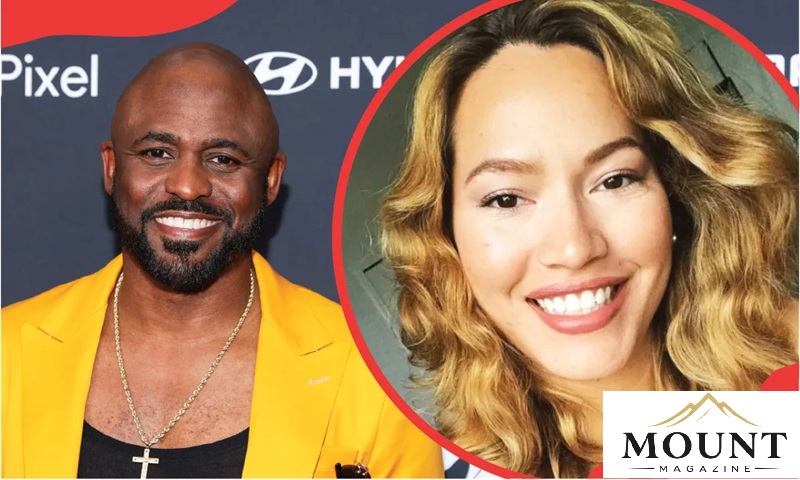
Diana was just 18 years old (having turned 18 in March 1993), while Wayne was approximately 21, making them both extremely young by any standard for making lifelong marriage commitments. Neither had established careers yet, though Wayne was beginning to gain small opportunities in comedy that would eventually lead to his breakthrough.
The wedding itself was modest, reflecting their limited financial resources at the time. This wasn’t a celebrity wedding with hundreds of guests, elaborate venues, or media coverage, but rather a simple ceremony celebrating their commitment to each other. Friends and family likely attended, though specific details about the wedding remain private.
| Marriage Details | Information | Context |
|---|---|---|
| Wedding Date | December 31, 1993 (New Year’s Eve) | Symbolic timing for fresh start |
| Diana’s Age | 18 years old | Extremely young for marriage |
| Wayne’s Age | Approximately 21 years old | Also very young for lifelong commitment |
| Financial Status | Both had limited resources | Modest wedding, struggling newlyweds |
| Career Status | Diana: working musician; Wayne: aspiring comedian | Neither had achieved success yet |
| Duration | Only two years (1993-1995) | Short-lived marriage |
The early months of their marriage likely involved typical newlywed experiences including adjusting to living together, supporting each other’s careers, dealing with financial pressures, and dreaming about future success. However, the challenges inherent in two young people pursuing demanding artistic careers while trying to build a marriage would soon prove overwhelming.
Why the Marriage Failed: Wayne’s Perspective
When their marriage ended in September 1995 after only two years, both Diana Lasso and Wayne Brady faced difficult questions about what went wrong. Wayne has been relatively forthcoming in interviews about his perspective on the marriage’s failure, offering insights that help explain why this young couple couldn’t make their relationship work.
Too Young and Too Fast
Wayne has repeatedly stated that one of his biggest mistakes was marrying at such a young age before truly knowing himself. In interviews, he said: “You shouldn’t marry at 20 or 21… because you still don’t know yourself.” This self-awareness came with maturity and hindsight, recognizing that identity formation continues throughout one’s twenties and that the person you are at 20 often differs significantly from who you become by 30.
At 20-21, Wayne was still discovering who he was as a person, as an artist, and as a partner. The same was true for 18-year-old Diana. Neither had sufficient life experience or self-knowledge to make informed decisions about lifelong partnership or to navigate the inevitable challenges and changes that marriage brings.
Grueling Work Schedule
As Wayne’s comedy career began gaining traction, his schedule became increasingly demanding. He was performing at comedy clubs multiple nights per week, auditioning constantly, traveling for gigs, and doing whatever it took to break into the extremely competitive entertainment industry. This meant Diana was frequently alone, essentially becoming a married single woman who rarely saw her husband.
Wayne himself acknowledged this issue, stating he was “never home” during his early career period. For any marriage, prolonged absences create strain as partners miss shared experiences, emotional connection, and the daily intimacy that sustains relationships. For a brand-new marriage between two very young people, these absences proved devastating.
| Marriage Challenge | Impact | Result |
|---|---|---|
| Wayne’s Absence | Constant travel, long hours, career focus | Diana felt neglected, lonely |
| Lack of Quality Time | Minimal shared experiences | Connection weakened |
| Communication Breakdown | Couldn’t address issues effectively | Problems festered unresolved |
| Age/Immaturity | Didn’t have tools to navigate difficulties | Couldn’t problem-solve together |
| Career Ambition | Wayne prioritized comedy over relationship | Diana felt abandoned |
Clinical Depression
Perhaps the most significant and often overlooked factor in their marriage failure was Wayne’s struggle with clinical depression. Living with undiagnosed or inadequately treated depression while trying to maintain a marriage, build a career, and function day-to-day created impossible situation for both Wayne and Diana.
Depression affects not just the person experiencing it but everyone around them. For Diana, Wayne’s depression likely manifested as emotional distance, inability to be fully present even when physically home, mood swings, and the general sense that she couldn’t reach or help him no matter what she did. This would have been confusing and painful, especially for an 18-year-old woman without understanding of mental health conditions or tools to support a depressed spouse.
Wayne wasn’t diagnosed with or treating his depression during the marriage, meaning he was suffering without proper help while Diana suffered alongside him without understanding why her husband seemed unavailable emotionally even when they were together.
Diana’s Experience
While Wayne has shared his perspective publicly, Diana Lasso has remained largely silent about her experience of the marriage and divorce. However, from the information available, it’s clear she felt neglected, unloved, and perhaps deceived about what kind of partnership she was entering.
Diana reportedly confronted Wayne about never being home and prioritizing his career over their relationship. She likely felt she had married a partner only to discover she was actually alone, dealing with the challenges of life in a new country without the emotional support and companionship she expected from marriage.
Life After Divorce: Choosing Privacy Over Fame
When Diana Lasso and Wayne Brady officially divorced on September 21, 1995, she made a crucial decision that would define her post-marriage life: she chose privacy, dignity, and personal growth over attempting to leverage her brief celebrity connection for continued fame or financial gain.
Returning to Colombia
After the divorce, Diana returned to Colombia for a period, reconnecting with her family, culture, and musical roots. This geographic distance from Wayne’s increasingly public life in Hollywood provided physical and emotional space to heal, process the marriage’s failure, and rediscover herself outside the context of being “Wayne Brady’s wife.”
Returning home to Colombia offered Diana several benefits including family support during difficult transition, familiar cultural environment where she felt comfortable and understood, opportunities to refocus on her music career in her primary market, and escape from American media attention that would have intensified as Wayne’s fame grew.
This time in Colombia wasn’t just retreat or escape but active choice to rebuild her life on her own terms in the place where she had first discovered her musical passion and where audiences already knew and appreciated her talent independent of any celebrity marriage.
| Post-Divorce Decision | Diana’s Choice | Alternative Path |
|---|---|---|
| Media Engagement | Refused interviews, maintained silence | Could have sold story, done tell-all interviews |
| Geographic Location | Returned to Colombia, later Miami | Could have stayed in LA pursuing fame |
| Career Focus | Continued music authentically | Could have leveraged Brady connection |
| Social Media | Minimal presence, private accounts | Could have built influencer following |
| Public Appearances | Avoided spotlight entirely | Could have attended events using Brady connection |
Continued Music Career
Diana Lasso continued pursuing her music career after divorce, performing at live shows and events in Colombia, releasing additional music beyond “Esta Noche No,” collaborating with other Colombian artists including Juan Carlos Coronel and Jhonny Rivera, and maintaining her connection to the Latin music community that had supported her before her American marriage.
Her post-divorce music reportedly achieved even greater popularity in Colombia than her earlier work, possibly because audiences appreciated her resilience, related to her experiences, or simply because her artistry had matured. Diana channeled whatever pain, growth, and lessons the marriage and divorce taught her into her music, creating more emotionally authentic and powerful performances.
Settlement Into Private Life
Eventually, Diana Lasso settled into what appears to be quiet life likely based in Miami, Florida, a city that perfectly suits someone with her bicultural Colombian-American identity. Miami’s large Latin American population, thriving Spanish-language culture, and proximity to Colombia make it ideal for someone wanting to maintain connections to both her heritage and American life without Los Angeles’s intense celebrity culture.
In Miami, Diana could pursue music, maintain her Colombian identity, and enjoy the creative scene without constant reminders of her ex-husband’s fame or pressure to present herself publicly. She reportedly developed interests in photography, advertising, and design, expanding her creative expression beyond music into visual arts and communication fields.
Relationship with Wayne Brady After Divorce
Despite the pain of their marriage ending, Diana Lasso and Wayne Brady appear to have maintained respectful if distant relationship post-divorce. Wayne has spoken about Diana in interviews with notable respect and warmth, describing her as “a great person” and taking full responsibility for the marriage’s failure rather than blaming her or making excuses.
This mature approach to discussing his first marriage reflects well on both of them. Wayne could have remained silent or deflected blame, while Diana could have sought revenge through public statements or tell-all interviews. Instead, both chose dignity and moving forward, suggesting they recognize that their marriage failed due to circumstances, immaturity, and timing rather than either person being fundamentally bad or wrong for the other.
Wayne’s subsequent marriage to dancer Mandie Taketa in 1999 (which also ended in divorce in 2007-2008) and his experience as father to daughter Maile Masako Brady born in 2003 gave him different perspective on relationships, parenting, and what sustainable partnerships require. He has acknowledged learning to be better man, better friend, and better listener through his experiences with Mandie, suggesting he applied lessons from his failed marriage to Diana toward becoming more mature partner.
| Post-Divorce Relationship | Diana’s Approach | Wayne’s Approach |
|---|---|---|
| Public Statements | None – complete silence | Respectful, takes responsibility |
| Blame Assignment | No public criticism | Blames his own youth and choices |
| Contact | Apparently minimal to none | Respectful distance |
| Moving On | Focused on own life privately | Remarried, had daughter, built career |
There’s no indication that Diana and Wayne maintain ongoing friendship or communication, but the respect with which Wayne speaks about her and her complete silence (rather than public attacks) suggests they’ve both found peace with their shared past.
Common Misconceptions: Clearing Up False Information
Several persistent misconceptions and false claims about Diana Lasso circulate online, requiring clarification:
Misconception 1: Diana Has a Daughter
Multiple sources incorrectly state that Diana Lasso has a daughter, sometimes even naming the child as Maile Masako Brady. This is completely false. Diana and Wayne Brady never had children together during their two-year marriage. Maile Masako Brady, born February 3, 2003, is Wayne’s daughter with his second wife Mandie Taketa, born eight years after Diana and Wayne divorced.
This persistent error likely stems from confusion between Wayne’s two marriages or deliberate misinformation. Diana has no children from her marriage to Wayne or from any subsequent relationship as far as public records indicate.
Misconception 2: Diana’s Net Worth Comes from Divorce Settlement
Some sources suggest Diana’s estimated $1 million net worth primarily comes from her divorce settlement with Wayne Brady. This is misleading. When they divorced in 1995, Wayne was still a struggling comedian with minimal financial success. He wasn’t the Emmy-winning, multi-millionaire television host he later became.
Diana’s net worth more likely reflects decades of work as a professional musician, singer, and potentially her involvement in photography, design, and advertising fields. While she may have received some settlement from the divorce, the amounts would have been modest given Wayne’s financial situation at the time.
| False Claim | Truth | Likely Source of Confusion |
|---|---|---|
| Diana has daughter Maile | False – Maile is Wayne’s daughter with second wife Mandie | Confusion between Wayne’s two marriages |
| Net worth from divorce | False – mainly from her own career | Assumption that ex-wives get rich from settlements |
| Diana seeking publicity | False – she actively avoids spotlight | General assumption about celebrity ex-spouses |
| Still close to Wayne | False – they appear to have no contact | Misunderstanding of what respectful divorce means |
Misconception 3: Diana Leveraged Wayne’s Fame
Another common narrative suggests Diana married Wayne for his potential fame or has tried to use his celebrity to advance her own career. The timeline completely contradicts this. When they married in 1993, Wayne was an unknown comedian who wouldn’t achieve breakthrough success until years later. Diana had already begun her music career before meeting him.
After divorce, as Wayne’s fame skyrocketed with “Whose Line Is It Anyway?” success, Diana could have capitalized on the connection through interviews, reality TV, or public appearances. Instead, she disappeared from public view entirely, returning to Colombia and later living quietly, likely in Miami, focused on her own creative work rather than seeking reflected glory.
Current Life and Activities
As of 2025, Diana Lasso maintains extremely private life with minimal public information available about her daily activities, current residence, or ongoing projects. This privacy is clearly intentional rather than accidental, reflecting her consistent choice to live outside public view despite her brief period of celebrity connection.
Social Media Presence
Diana maintains minimal social media presence with private or barely-used accounts. Her Twitter/X account (@DiLasso) describes her as involved in “Advertising, Design & Photography” and shows she joined in July 2010, but has only 186 followers and 234 following with apparently no recent posts. Her Instagram account is reportedly private with approximately 1,115 followers and 934 posts, suggesting she shares content selectively with approved followers only.
This contrasts sharply with typical celebrity adjacent social media strategy where people leverage famous connections for followers, influence, and potential income. Diana’s minimal presence indicates genuine preference for privacy rather than strategic positioning.
| Social Media Platform | Account Status | Activity Level |
|---|---|---|
| Twitter/X | @DiLasso, public but inactive | 186 followers, no recent posts |
| Private account | ~1,115 followers, selective sharing | |
| Unknown/not public | Presumably private if exists | |
| YouTube | Possible music channel | “Esta Noche No” and other songs available |
| Professional Sites | Unknown | Possibly design/photography portfolio |
Creative Pursuits
Based on her social media profiles and limited available information, Diana appears to have expanded her creative interests beyond music into photography, design, and advertising. These visual and communication arts allow her to continue expressing creativity while working in fields that don’t require public performance or fame.
Her interest in photography suggests appreciation for capturing moments, beauty, and stories through visual media. Design and advertising work could involve anything from graphic design to creative direction for brands, campaigns, or publications. These professions suit someone with artistic sensibility who prefers working behind the scenes rather than in spotlight.
Possible Location: Miami, Florida
While not definitively confirmed, several sources suggest Diana Lasso may be living in Miami, Florida. This makes logical sense for someone with her background. Miami offers large Colombian community providing cultural connection and Spanish-language environment, thriving Latin music scene where she could continue musical involvement, creative opportunities in design, photography, and advertising, and distance from Hollywood celebrity culture while remaining in United States.
Miami represents perfect compromise for someone wanting to maintain Colombian identity while enjoying opportunities available in major American city, all without the intense scrutiny that would come from living in Los Angeles or New York entertainment hubs.
Net Worth and Financial Independence
Diana Lasso‘s estimated net worth stands at approximately $1 million as of 2025, though some sources suggest it could be somewhat lower (around $800,000) or potentially higher. This represents respectable financial stability built through her own efforts rather than divorce windfall or celebrity connections.
Her wealth sources likely include music career earnings from performances, recordings, and streaming royalties from “Esta Noche No” and other songs, work in advertising, design, and photography providing steady creative income, investments and financial management over three decades, and possibly modest divorce settlement from Wayne in 1995 though this would have been minimal given his limited finances at that time.
Compared to Wayne Brady’s estimated net worth of $12-18 million built through decades of high-profile television work, Diana’s wealth appears modest. However, this comparison misses the point. Diana chose privacy and creative fulfillment over fame and maximum income. Her net worth reflects comfortable, independent life rather than celebrity-level wealth, and represents earnings from work she presumably finds meaningful rather than money earned from leveraging ex-husband’s fame.
| Net Worth Component | Estimated Contribution | Notes |
|---|---|---|
| Music Career | $300,000-$400,000 | Decades of performances, recordings, streaming |
| Creative Work | $200,000-$300,000 | Photography, design, advertising projects |
| Investments | $100,000-$200,000 | Smart financial management over time |
| Divorce Settlement (1995) | $50,000-$100,000 maximum | Wayne had little money at that time |
| Total Estimated | $800,000-$1,000,000 | Built through own efforts over 30+ years |
The fact that Diana built this wealth independently while deliberately avoiding public attention demonstrates financial savvy and sustainability of her creative career choices.
Diana’s Legacy and Influence
While Diana Lasso may be best known to many people simply as “Wayne Brady’s first wife,” her actual legacy extends beyond this limiting label to encompass her musical contributions, her example of choosing authenticity over fame, and her demonstration that successful life doesn’t require public validation.
Musical Contributions
Diana’s musical legacy, particularly in Colombia, involves her signature song “Esta Noche No” remaining beloved by fans decades after its release, her contributions to Colombian romantic pop music genre blending traditional and modern elements, her influence on younger Colombian artists pursuing music careers, and her demonstration that Latin American artists can build sustainable careers without necessarily crossing over to English-language mainstream markets.
While Diana didn’t achieve international superstardom, she succeeded in her target market and created music that continues to resonate with listeners, which represents genuine artistic achievement and lasting impact on people’s lives through emotional connection her songs provide.
Example of Choosing Privacy
In an era dominated by social media influence, reality television, and monetization of every aspect of personal life, Diana’s choice to live privately represents countercultural stance. She demonstrates that refusing fame, maintaining boundaries, and living according to personal values rather than public expectations, and defining success on your own terms rather than society’s terms are all viable paths to fulfillment and happiness.
Her example offers alternative narrative to typical celebrity ex-spouse stories where people write tell-all books, appear on reality shows, or continuously reference their famous ex-partners. Diana’s dignity and silence speak volumes about her character and priorities.
Lessons from Diana Lasso’s Journey
Diana Lasso‘s life story offers several valuable insights about relationships, fame, identity, and authentic living:
Young Marriage Challenges
Diana and Wayne’s experience perfectly illustrates why marrying at 18-21 years old carries significant risks. Identity formation, brain development, life experience, career establishment, and emotional maturity all continue developing through mid-twenties. Marrying before completing this development means partners may grow in different directions or discover they want different lives than they thought when they married.
Their story doesn’t argue no one should marry young, but rather highlights importance of truly knowing yourself and your partner before making lifelong commitments.
Privacy as Power
Diana’s post-divorce privacy demonstrates that not participating in public discourse sometimes represents strength rather than weakness. By refusing to engage in media narratives about her failed marriage, she maintained control over her own story, protected her dignity and peace of mind, and avoided becoming defined by relationship that lasted only two years.
Her silence doesn’t mean she has nothing to say, but rather that she chooses who deserves access to her story and that strangers’ opinions don’t require her response or explanation.
Identity Beyond Relationships
While Diana is often identified as Wayne Brady’s ex-wife, she built identity as Colombian singer, creative professional, and presumably friend, family member, and individual with rich inner life that has nothing to do with her famous ex-husband. Her refusal to leverage that connection demonstrates understanding that authentic identity comes from within and from your own accomplishments rather than reflected glory from others’ fame.
Conclusion
Diana Lasso represents far more than footnote in Wayne Brady’s biography or cautionary tale about young marriage, instead embodying a woman who pursued her artistic passions across two countries, experienced brief but intense relationship that thrust her into unwanted public attention, and ultimately chose authentic privacy and creative fulfillment over fame and public validation. Born March 4, 1975, in Colombia with deep family roots in Latin music traditions especially influenced by her music-loving grandmother, Diana launched her singing career as teenager in Colombia before meeting struggling comedian Wayne Brady in early 1990s United States and marrying him on New Year’s Eve 1993 when she was just 18 and he was 21, a union that lasted only two years before ending in September 1995 divorce that Wayne attributed to marrying too young before knowing themselves, his grueling work schedule that left Diana feeling neglected, and his undiagnosed clinical depression that prevented emotional availability. Rather than capitalizing on Wayne’s subsequent Emmy-winning fame hosting “Whose Line Is It Anyway?” and other successful television shows, Diana Lasso deliberately chose privacy by returning to Colombia, continuing her music career highlighted by enduring success of her Spanish-language song “Esta Noche No,” later settling likely in Miami where she pursues creative work in photography, design, and advertising while maintaining minimal social media presence with private Instagram and inactive Twitter despite having every opportunity to build large following through her celebrity connection. With estimated net worth around $1 million built through decades of independent creative work rather than divorce settlement or leveraging famous ex-husband’s name, Diana proves at age 50 that meaningful life can unfold entirely outside public spotlight, that success doesn’t require fame or validation from strangers, and that maintaining dignity, authenticity, and commitment to personal values matters more than celebrity status or reflected glory from others’ accomplishments, showing that sometimes the bravest choice involves stepping away from potential fame to build quiet, fulfilling life on your own terms doing work you love for audiences who appreciate you for yourself rather than your associations.

