


Harper Zilmer age is 16 years old as of 2025, having been born on March 20, 2009, in Dallas, Texas, making her one of Generation Z’s fastest-rising social media stars who catapulted to fame in early 2023 through viral TikTok content that showcased her energetic personality, relatable teenage humor, and authentic connection with her predominantly young audience. With over 7.4 million TikTok followers on her account @harperzilmer4, millions of YouTube subscribers, and a rapidly growing presence across Instagram and other platforms, Harper has transformed from a typical Texas teenager into a multi-platform influencer, aspiring musician with her debut single “Queen B” released in December 2023, podcast co-host on “The LOL Podcast” with Cash and Maverick Baker, and brand ambassador for major companies including Nike, Sephora, and Adidas—all while maintaining her high school cheerleading commitments and navigating the unique challenges of adolescence under intense public scrutiny.
Understanding Harper Zilmer age and her meteoric rise provides crucial context for appreciating both her impressive accomplishments—building a multimedia career before she could even drive—and the concerns surrounding child influencers navigating fame, criticism, and business pressures during formative developmental years when most teenagers focus primarily on school, friendships, and discovering their identities away from millions of watching eyes.
Personal Information
| Category | Details |
|---|---|
| Full Name | Harper Zilmer |
| Birth Date | March 20, 2009 |
| Age | 16 years old (as of 2025) |
| Zodiac Sign | Pisces |
| Birthplace | Dallas, Texas, USA |
| Current Residence | Texas, USA |
| Nationality | American |
| Ethnicity | White/Caucasian |
| Parents | Dan Zilmer (father), Brownen Hyden (mother) |
| Siblings | Reese Zilmer (younger sister, also social media creator) |
| Height | Unconfirmed (various conflicting reports) |
| Education | Currently in high school (specific school unconfirmed) |
| Activities | High school cheerleader |
| Relationship Status | Dating (boyfriend details vary across sources) |
Early Life and Family Background
Harper Zilmer was born and raised in Dallas, Texas, to parents Dan Zilmer and Brownen Hyden. Her father Dan works as a realtor, while her mother’s profession remains less publicly documented. Growing up in Texas, Harper experienced a relatively typical American childhood before social media fame dramatically altered her teenage years.
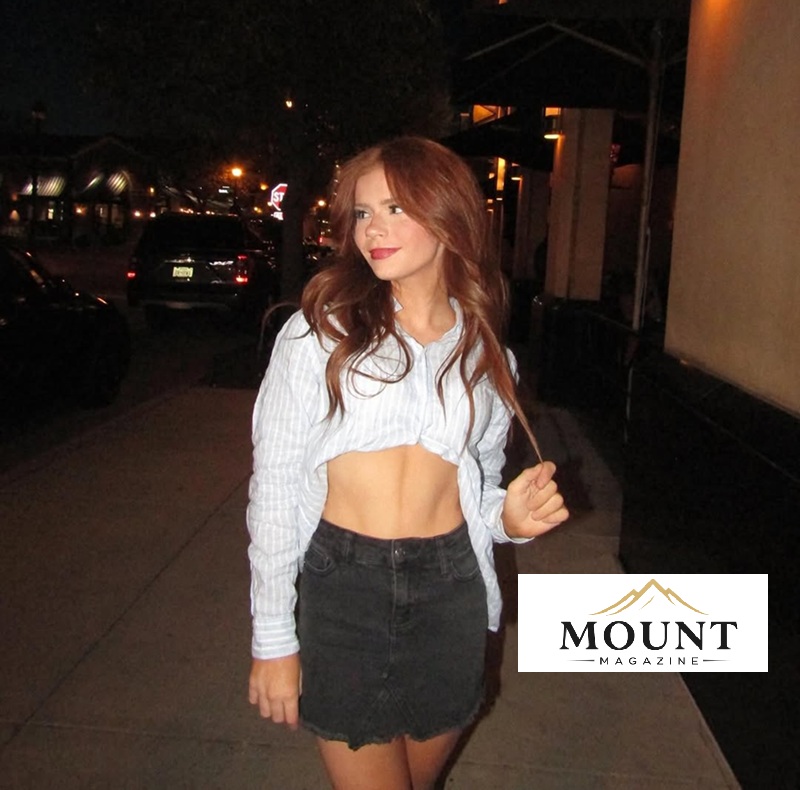
She has one younger sister, Reese Zilmer, who has also pursued social media content creation, suggesting a family environment that encourages creative expression and digital engagement. The sisters occasionally collaborate on content, though Harper has achieved significantly greater following and recognition.
Harper’s parents appear supportive of her social media career, with her father Dan occasionally appearing in her content and both parents presumably managing various business and legal aspects of their underage daughter’s professional activities. Navigating child influencer careers requires substantial parental involvement in contract negotiations, financial management, and protection of the minor’s interests—responsibilities Dan and Brownen have undertaken as Harper’s fame has grown.
Details about Harper’s early childhood, pre-fame interests, and family dynamics remain largely private, consistent with many young influencers whose public personas begin after achieving initial fame rather than documenting their entire lives from birth.
Social Media Breakthrough: February 2023
Harper’s rise to social media prominence occurred relatively suddenly in early 2023, when she was just 13-14 years old. While she had been posting content previously, a particular TikTok video in February 2023 achieved viral status, dramatically expanding her audience almost overnight.
| Social Media Milestone | Date/Numbers | Platform |
|---|---|---|
| Viral Breakthrough | February 2023 | TikTok |
| TikTok Following | 7.4-7.8 million followers | @harperzilmer4 |
| YouTube Subscribers | 1.7-2.7 million subscribers | Harper Zilmer channel |
| Instagram Following | 500k-1.2 million (conflicting sources) | Various handles reported |
| Content Type | GRWM, lip-sync, comedy sketches, vlogs | Multiple platforms |
| Posting Frequency | Daily/multiple times daily | Primarily TikTok |
The viral video that launched her into mainstream social media consciousness was a “Get Ready With Me” (GRWM) video—a popular format where creators film themselves preparing for their day while chatting with viewers about various topics. Harper’s energetic personality, relatable teenage humor, and authentic communication style resonated strongly with Gen Z and Gen Alpha audiences, leading to exponential follower growth.
This sudden fame represented a dramatic life change for a young teenager—going from relative anonymity to millions of followers watching and commenting on her daily life within weeks or months.
TikTok Content and Style
Harper’s TikTok content primarily consists of several popular formats that have proven successful with her target demographic of younger viewers:
Get Ready With Me (GRWM) Videos: Harper films herself applying makeup, styling her hair, and choosing outfits while discussing various topics, answering questions, or sharing stories. These videos create parasocial intimacy as viewers feel they’re getting ready alongside a friend.
Lip-Sync and Dance Content: Following TikTok’s core entertainment model, Harper creates lip-sync videos to popular songs and participates in trending dance challenges, showcasing her cheerleading background’s physicality and coordination.
Comedy Sketches and Relatable Humor: Many of Harper’s videos explore relatable teenage situations—awkward interactions, school experiences, friend dynamics, family moments—through comedic exaggeration that her young audience finds particularly resonant.
Day-in-the-Life Vlogs: Harper shares glimpses into her daily routine as a student, cheerleader, and influencer, creating content that balances aspirational elements (her growing fame and opportunities) with relatable normalcy (homework, cheer practice, hanging out with friends).
Her content style emphasizes authenticity over polish—she presents as a genuine teenager rather than a perfectly curated influencer persona, which paradoxically contributes to her appeal among audiences tired of overly produced content.
YouTube Presence and Expansion
Beyond TikTok, Harper has built substantial presence on YouTube, where longer-format content allows deeper engagement with her audience. Her YouTube channel features extended vlogs, Q&A sessions, challenges with friends and sister Reese, behind-the-scenes content from various opportunities, and lifestyle content showing different aspects of her life.
YouTube’s monetization structure also provides important income streams complementing her TikTok fame, as longer videos generate ad revenue in ways TikTok’s shorter format doesn’t match. This multi-platform strategy demonstrates business savvy unusual for someone her age—though likely guided significantly by parents and professional management.
Music Career: “Queen B” Debut Single
On December 26, 2023, Harper released her debut single “Queen B”—a hip-hop/pop track that marked her expansion from content creator into aspiring musician. The song’s music video premiered on YouTube and quickly accumulated millions of views, demonstrating her ability to drive audience engagement across different content types.
| Music Career Details | Information |
|---|---|
| Debut Single | “Queen B” |
| Release Date | December 26, 2023 |
| Genre | Hip-hop/Pop |
| Music Video Views | 15+ million on YouTube |
| Reception | Mixed (fans supportive, critics questioning authenticity) |
| Follow-up | Additional music releases planned |
The song’s reception was mixed—her dedicated fanbase enthusiastically supported the release, driving impressive view counts and streaming numbers, while critics questioned whether a 14-year-old possessed sufficient life experience and artistic development for meaningful musical expression or if the project represented manufactured content leveraging her existing audience.
This criticism reflects broader debates about child influencers monetizing various entertainment verticals—when does authentic artistic expression transition into commercial exploitation of young people before they’ve developed genuine creative voices?
Regardless of critical reception, “Queen B” demonstrated Harper’s ambition to diversify beyond short-form video content into music, potentially modeling her career after other social media stars who’ve successfully transitioned into music careers.
The LOL Podcast
Harper co-hosts “The LOL Podcast” alongside Cash Baker and Maverick Baker—twin brothers who are also social media influencers and musicians. The podcast format allows longer, unscripted conversations covering topics relevant to their young audience including relationships, school experiences, social media challenges, current trends, and various topics trending among teenagers.
Podcasting represents another strategic platform diversification, reaching audiences who prefer audio content and creating additional monetization opportunities through sponsorships and advertising. The collaboration with Cash and Maverick also cross-pollinates their respective audiences, potentially introducing Harper to new followers while offering the Baker twins access to her substantial fanbase.
High School Life and Cheerleading
Despite her social media fame and growing entertainment career, Harper continues attending high school and participating in cheerleading—maintaining at least some aspects of typical teenage life amidst extraordinary circumstances.
Her cheerleading participation demonstrates physical dedication, team commitment, and the discipline required to balance athletic training with content creation, school responsibilities, and various business obligations. Cheerleading also provides social grounding through teammates and coaches who knew her before fame, potentially offering perspective and normalcy increasingly rare in her life.
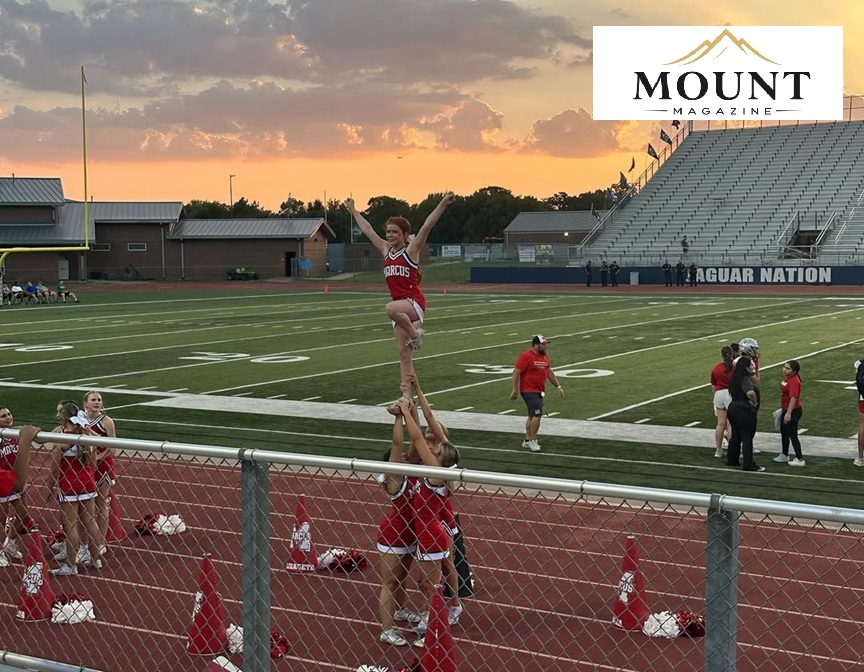
However, attending school as a social media celebrity with millions of followers creates unique challenges—peer jealousy, constant recognition, difficulty forming genuine friendships when everyone knows your public persona, and the pressure of being constantly filmed or photographed by classmates hoping for viral content.
The specific high school Harper attends remains unconfirmed, with conflicting information across sources suggesting either schools in Texas or Wisconsin. This ambiguity may reflect deliberate privacy protection—revealing her exact school location could create security concerns and enable unwanted attention from obsessive fans.
Brand Partnerships and Business Ventures
Harper’s massive following has attracted major brands seeking access to her young, engaged audience. She has secured partnerships and ambassador roles with several prominent companies:
| Brand Partner | Industry | Type of Partnership |
|---|---|---|
| Nike | Athletic apparel | Brand ambassador/sponsored content |
| Sephora | Beauty/cosmetics | Product promotion, sponsored content |
| Adidas | Athletic apparel | Brand partnership |
| The Campbell Agency | Talent management | Professional representation |
| WME (William Morris Endeavor) | Talent agency | Professional representation |
These partnerships generate substantial income through sponsored content, where Harper features products in her videos or social media posts. Brand deals with teenage influencers are particularly valuable because Gen Z and Gen Alpha audiences often trust peer recommendations over traditional advertising.
However, these partnerships also raise ethical questions about marketing to children through child influencers—regulatory bodies increasingly scrutinize whether young audiences understand when content is advertising versus authentic recommendation, and whether child influencers can meaningfully consent to commercial exploitation before reaching adulthood.
Public Scrutiny and Criticism
Harper’s rapid rise and young age have made her a lightning rod for both admiration and significant criticism across social media platforms. Common criticisms include:
Age-Inappropriate Content Concerns: Some critics argue that certain content—heavy makeup, mature themes, provocative dancing—is inappropriate for someone her age and potentially sexualizes a minor, even when created by Harper herself.
Authenticity Questions: Skeptics question whether Harper’s personality and content reflect genuine self-expression or manufactured persona designed for maximum engagement and monetization.
Parental Exploitation Concerns: Critics question whether Harper’s parents adequately protect her interests or prioritize monetization over their daughter’s wellbeing and normal childhood development.
Privilege and Relatability: Some viewers feel Harper’s increasingly privileged life—expensive products, travel, brand partnerships—has made her less relatable to the average teenager she originally connected with.
These criticisms reflect broader societal anxiety about child influencers, parasocial relationships, and the long-term psychological impacts of growing up under constant public scrutiny and judgment.
Mental Health: OCD and Public Vulnerability
Harper has publicly discussed struggling with Obsessive-Compulsive Disorder (OCD), demonstrating vulnerability and helping destigmatize mental health challenges among her young audience. OCD is an anxiety disorder characterized by intrusive thoughts (obsessions) and repetitive behaviors (compulsions) that individuals feel driven to perform.
Sharing this diagnosis publicly represents both courage and risk—it creates relatability and helps fans facing similar challenges feel less alone, but it also invites unwanted commentary, amateur diagnosis, and potential exploitation of personal struggles for content.
Managing OCD while maintaining an intense content creation schedule and navigating public scrutiny creates additional challenges. The pressure to constantly produce content, respond to audience expectations, and maintain public persona can exacerbate anxiety disorders rather than providing therapeutic outlet.
Romantic Relationships and Privacy
As a teenage public figure, Harper’s romantic relationships generate substantial audience interest and speculation. Various sources report different relationship statuses and boyfriends, with names including Maddox Batson, Jason Harb, and Benson Overstreet appearing across different reporting periods.
This inconsistency reflects several realities—teenage relationships are often brief and change frequently, public figures may choose to keep relationships private initially, and fan speculation often produces inaccurate information that spreads as fact across gossip sites and social media.
For a 16-year-old navigating first relationships, doing so under millions of watching eyes adds enormous pressure. Normal teenage relationship drama—arguments, breakups, new crushes—becomes public entertainment and permanent digital record rather than private learning experiences.
Net Worth and Financial Success
Harper’s estimated net worth varies dramatically across sources, with figures ranging from $500,000 to $5 million. This wide range reflects genuine uncertainty about her income—brand deals, YouTube ad revenue, music streaming, merchandise, and other income streams aren’t publicly disclosed, making precise calculation impossible.
However, what’s clear is that Harper generates substantial income unusual for any 16-year-old, let alone most adults. Her financial success raises important questions about how child influencer earnings are managed—ideally through Coogan Accounts or similar legal protections ensuring the minor retains substantial earnings rather than parents spending or mismanaging their child’s income.
Sister Reese Zilmer
Harper’s younger sister Reese has also pursued social media content creation, though with significantly smaller following than her older sister. Reese occasionally appears in Harper’s content, and the sisters seem to maintain positive relationship despite the inherent complications of one sibling achieving dramatically greater success.
Growing up as the “less famous sister” creates unique psychological challenges—constant comparison, feeling overshadowed, and questioning whether one’s own talents and efforts will ever receive similar recognition. How this dynamic affects their relationship long-term remains to be seen.
Concerns About Child Influencers
Harper’s story exemplifies broader concerns about child influencers that child development experts, psychologists, and children’s advocates increasingly voice:
Developmental Impact: Adolescence is a critical period for identity formation, and developing that identity under constant public scrutiny may prevent authentic self-discovery and create performance-based self-worth dependent on external validation.
Education Sacrifice: Balancing intensive content creation with academic excellence is extremely difficult—many child influencers fall behind educationally, limiting future opportunities if social media fame proves temporary.
Exploitation Vulnerability: Minors cannot legally consent to contracts, making them dependent on parents and managers to protect their interests—a dynamic ripe for exploitation when financial incentives tempt adults to prioritize income over the child’s wellbeing.
Permanence of Digital Footprint: Everything Harper posts at 14, 15, 16 years old remains permanently accessible, potentially haunting her as an adult when tastes, values, and perspectives have matured beyond adolescent content.
Mental Health Risks: Constant exposure to criticism, comparison with other creators, pressure to maintain relevance, and parasocial relationship demands create significant mental health risks during already vulnerable developmental years.
The Future: What Comes Next?
At just 16 years old, Harper’s story is still being written. Her trajectory could follow numerous paths—continued growth across platforms expanding into acting, music, or other entertainment verticals; gradual audience decline as trends shift and younger creators emerge; dramatic pivot away from public life to pursue normal teenage and young adult experiences; or evolution into long-term influencer career spanning decades.
The most important question isn’t her professional trajectory but her personal wellbeing—whether she emerges from this experience with healthy self-concept, genuine relationships, educational foundation, financial security, and the freedom to define herself beyond her teenage public persona.
Conclusion
Harper Zilmer age—just 16 years old—is simultaneously her most notable characteristic and most concerning aspect, as she navigates extraordinary fame, substantial business success, and intense public scrutiny during critical developmental years when most teenagers focus on school, friendships, and self-discovery away from millions of watching eyes. Born March 20, 2009, in Dallas, Texas, Harper has built impressive multi-platform presence with over 7.4 million TikTok followers, millions of YouTube subscribers, a debut music single, podcast co-hosting duties, and major brand partnerships with Nike, Sephora, and Adidas—accomplishments that would be remarkable at any age but are genuinely extraordinary for someone not yet old enough to vote, get a driver’s license, or legally sign contracts.
For anyone interested in Gen Z social media culture, child influencer phenomena, or the intersection of adolescent development and public fame, Harper Zilmer age and her rapid rise provide a compelling case study with implications extending far beyond one teenager’s experience. Her story raises crucial questions about appropriate boundaries for child performers in digital age, parental responsibilities in managing children’s public careers, platform responsibilities in protecting minor users, and societal obligations to ensure that fame achieved before adulthood doesn’t permanently damage the young people we celebrate, critique, and consume content from with equal intensity. As Harper continues navigating her teenage years under unprecedented public attention, her wellbeing matters far more than her follower counts—a perspective that hopefully guides the adults responsible for protecting her interests as she grows from viral teenager into whoever she chooses to become.

